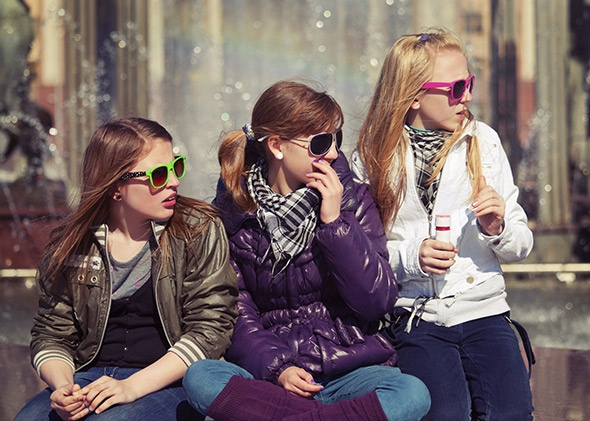
Today I wear pink to stop bullying.
What started as a students message against homophobia and bullying, then grew to represent a stop to
all bullying has an especially strong message today for me...
Yesterday the BC Liberals once again took a stab at the heart of public education.
Our government is trying to bully teacher's and Bill 22 is their latest weapon.
I will not be bullied!
How can I teach my students to stand up to bullies then allow George Abbott to bully me and all teachers in BC?
Teacher's put everything they have into their students and into their classrooms, yet have been bullied into a corner once again by a government that does not care about public education. Our rights taken away and threats made on us if we don't do as we are told.
We tell kids to talk about their issues, not fight about them, "
use your words" we say... but teacher's won't even be given a chance to "
use their words" because mediation can't occur whole heartedly because of BCPSEAs imposed rules prior to even entering mediation.
Teacher's are backed into the corner by the bully and about to lose more than just their lunch money.
Do we want to walk-out and miss days in our classes with our students?
NO
Do we want to have to fight with every ounce of strength for our students right to better learning conditions?
No.
We would rather be in our classes teaching our students.
We would rather the government put "
families first" and give every student the opportunity to learn.
...but instead, we are assaulted with a sham of mediation, a bill that strips away even more rights and a government that pushes it's desire for a privatized province onto the people, with the most vulnerable of all British Columbians suffering... the children.
I have always said children are our future, it may be cliche, but it is the truth.
I wonder what message we are sending the 'citizens of the future' when we allow a government to bully us into submission?
Do we want our students to think it is ok to say one thing and do something different?
What lesson is George Abbott teaching us?
Certainly not lessons I wish to share with my students. It is not the way I want to live and that is why
I am taking a stand.
I will not allow this government to bully me so that their not-so-hidden-agenda can be achieved.
I will not sit around while people who have never walked a day in
MY shoes dictate how my job should look.
I will not sit back knowing that the decisions this government is making will negatively impact students I teach... negatively impact my own daughter's education.
Last night's announcement of Bill 22 made me angry. It made me feel betrayed. It made me upset!
How could
'good-faith' bargaining have ever happened when this kind of legislation was always looming? Why pressure is there for BCPSEA to bargain under these current conditions? And how will true mediation happen with these kinds of parameters set around it?
Teacher's need to take a stand against the bullies!
The rules, regulations and penalties set out in Bill 22 are harsh and intimidating, but I won't be bullied.
I will fight for my students, I will fight for our citizens of the future, because I will NOT let them grow up with the lesson that bullying is ok.
Bill 22
BCTF Press Release