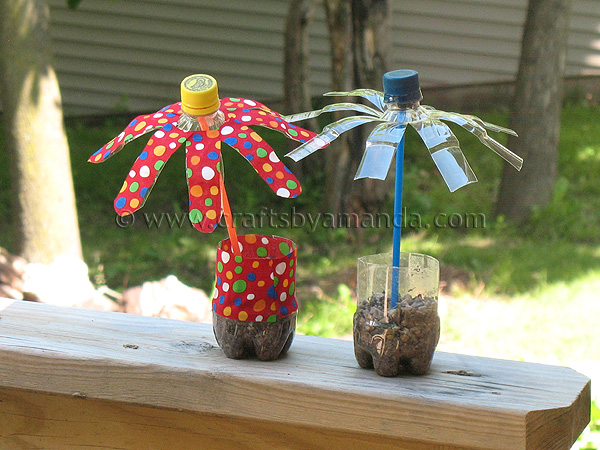
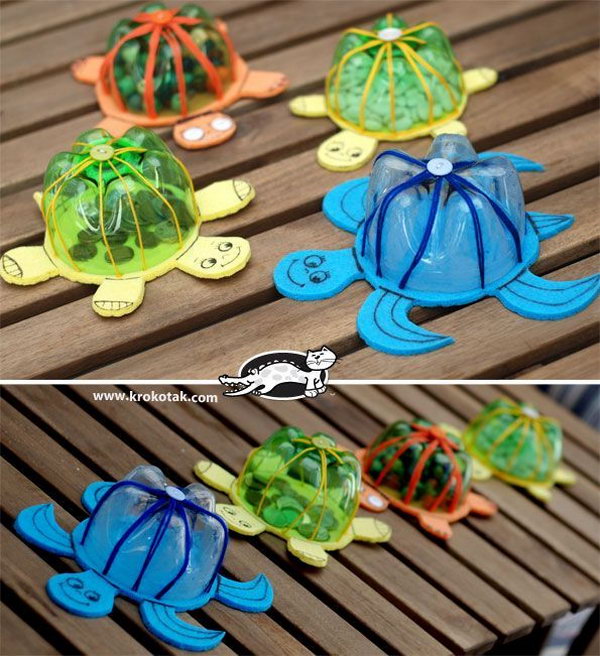
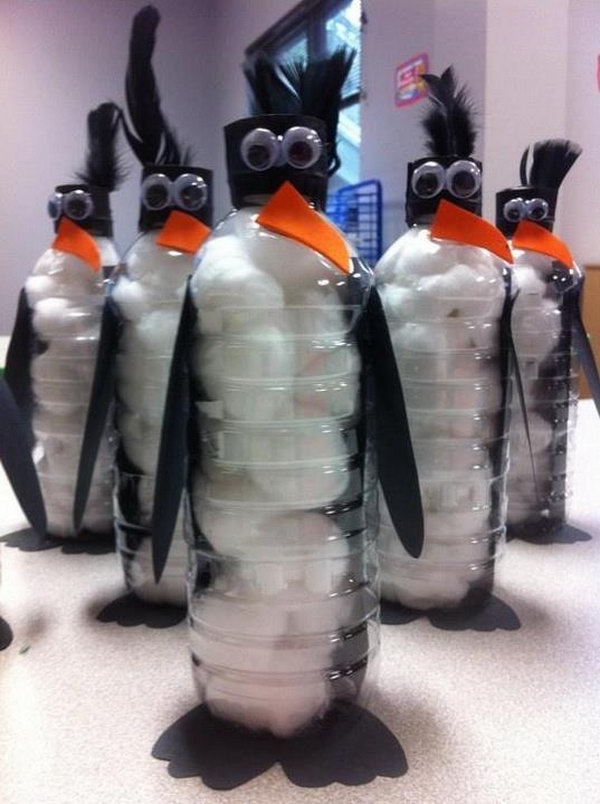
Some great ideas here!
Source: http://notedlist.com/plastic-bottle-recycling-projects/

A place to share my experiences as a TTOC and Middle School Teacher. Resources, ideas and important issues in education.


 |
| On her desk to organize everything easily |
 |
| Drop Zone - handing in work |
 |
| Help Wanted and Job applications for class jobs |
 |
| Clothespins with students names or numbers will be attached to this chart and be moved if needed throughout the day. |
 |
| Each student has a number and they can move their magnet if they leave the room (Especially good in this class given the choices of where they may go work in and around the school) |
 |
| No Name? No Problem! Clip up work here |
 |
| Class volume |
 |
| If they get too noisy she will add one of these letters up on the board. If they spell noise it becomes a 'no talking' time |
 |
| Book Hospital, a tub to put damaged books into so they can be fixed |
 |
| Clip boards (for workers on the bleachers) and school supplies |
 |
| Dry Erase pens with "puff balls" attached to lids for easy erasing |
 |
| Shelves she bought to put tubs on, each student gets a tub to keep their supplies (since she doesn't have traditional desks with storage in them) |
 |
| Shout Out Box, if you have something nice to say about someone, write it down and put it in the box |
 |
| Her class library, full of all the books she has bought and some comfy chairs |
 |
| Write this on the board so everyone is clear on how it works. |
The only supplies needed are some colored construction paper! This is a great way to gauge student’s progress during independent work. Students use cards to indicate whether they are good to go (green), struggling a bit (yellow) or stuck (red).
 |
| Student fold a piece of coloured paper on desk like this and put whichever colour on top to indicate i they need help. |
This allows me to intervene early for students on yellow, and reteach on the spot for students on red. Additionally, if I see a whole lot of red cards at the start of the independent practice, then I can reteach to the whole class.This idea reminds me of the 'red cup / green cup' strategy to ask for help that I blogged about last year.
Putting a worksheet on each student's desk, or an activity on the board before school starts, will get kids off to a great morning. This also helps prevent potential behavior problems as students come into class. To make it easier, have self-starters according to the following days:Monday - "Monday Math" (ex: put 5 math review problems on the board)
Tuesday - "Talk It Over Tuesday" (ex: write some quotes on the board for kids to edit for punctuations, grammar, etc.)
Wednesday - "Wacky Word-Wall Wednesday" (ex: put 5 of the words from the word wall in sentences, in tongue twisters, etc.)
Thursday - "Think it Through Thursday" (ex: put a thought-provoking question on the board for students to respond to in their journals)
Friday - "Fun Friday" (ex: put afun crossword, wordsearch, coloring sheet, etc. on their desk to complete "just for fun."
As a teen, I used to write and journal daily. It helped me focus, express myself, sort my ideas and thoughts.
This week, I have used it to deal with my feelings around tragedy, my goals both professionally and personally, as a way to brainstorm and sort ideas to share with colleagues, and as a tool with students and my own daughter to express what is on their mind.
Students who use journals are actively engaged in their own learning and have the opportunity to clarify and reflect upon their thinking. When students write in journals, they can record such things as ideas and feelings, special words and expressions they have heard, interesting things that have happened to them or information about interesting people. Journal writing offers students opportunities to write without fear often associated with marking. Every journal entry is individualized.
Check out these strategies for using journals in the classroom
Here is another great resource with things to consider if you want to use journals in the classroom and ways to use them.
As a TTOC, having a writing prompt, journal or discussion point can be a great idea! Allow students to write then share (I always give the option to pass)
We use this strategy in our mentoring program for new teachers and TTOCs, we always start with a 5 minute quiet write and then allow the participants to share out or pass. It helps us as mentors see where the participants are at and guide our meeting, as well as gives everyone a chance to "vent" or let out their feelings.
I am learning to re-appreciate the value of writing and journals as I use it in my classroom, with my colleagues and for my own personal reflection.
As a sub, one of the hardest parts of the job is classroom management. No matter who the student is, each one acts at least a little differently when a sub is in the room. The district I work for encourages the Love and Logic® approach, a system that is all about using empathy and empowering students to take responsibility and solve their own problems
Neutralizing Arguing. Anyone who has tried to argue and reason with an angry student knows how useless it is, so use the techniques of staying calm, “going brain dead,” using (and continuing to use) a one-liner like “I respect you too much to argue” or “I know it feels that way,” and if the arguing continues, responding with “I argue at 12:00 or 3:00 each day. Which would be best for you?”I really love hearing new strategies to try in different classrooms. I wonder what strategies you have used that worked or that didn't work? Why? Why not?
You can read more about this idea on the website: http://www.loveandlogic.com/